Milford Sound Overnight Cruise in Winter
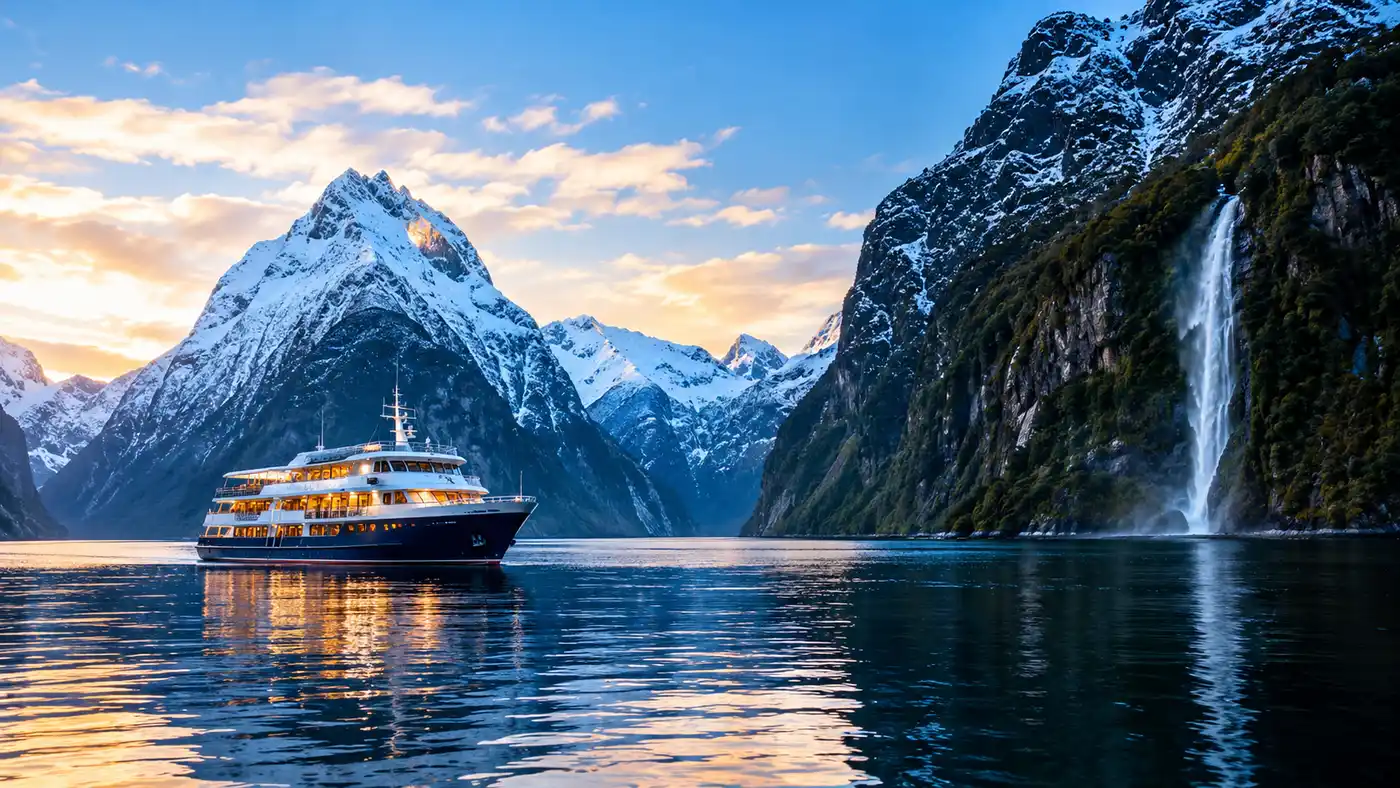
Most travelers picture Fiordland under a gentle summer drizzle, surrounded by lush moss and thousands of day-trippers dodging sandflies. Taking a milford sound overnight cruise winter changes everything about the fiord. The sheer granite walls of Mitre Peak stand capped in thick snow, cold air bites your cheeks the second you step on deck, and the silence after the last day boat departs around 3:30 PM is deafening.
Winter in the Southern Alps runs from June through August, stretching into the early spring melt of September. It is moody, quiet, and wildly unpredictable. If you are debating whether to brave the cold, you need clear facts about road conditions, operator schedules, and what sleeping on the water in sub-zero alpine air actually feels like.
Book your milford sound overnight cruise experience:
Why Choose an Overnight Cruise in Milford Sound in Winter?
Silence is the real luxury out here between June and August. During January, twenty tour buses idle in the terminal parking lot at any given minute. In July, you might share the entire waterway with just one commercial vessel and a pod of dusky dolphins. The towering rock faces rise 1,200 meters straight out of the ink-black water, stripped clean of tourist clutter.
The winter atmosphere feels sharp. Clear winter days in Fiordland bring calm water, crisp blue skies, and mirror reflections that you rarely witness during the windy summer months. When a storm rolls through, it brings torrential rain that feeds hundreds of temporary waterfalls plunging off the cliffs into the sea. Snow blankets the higher ridges, creating a stark visual contrast against the dark green rainforest and black stone that summer visitors never get to see.
Best of all, the notorious sandflies hate the cold. These tiny biting insects terrorize visitors on the foreshore during the humid summer months. Come winter, freezing overnight temperatures keep them dormant, so you can stand on the outer deck without slapping your ankles every four seconds.
Pro tip: Keep your camera batteries inside an interior coat pocket close to your body heat. The sub-zero wind on the fiord drains lithium batteries in about a third of their normal lifespan.
Navigating the Winter Months: June, August, and September
Deciding when to go depends entirely on your tolerance for freezing conditions and which boat operators are actually running. An overnight cruise in Milford Sound during June marks the start of the deep freeze. Daylight hours shrink to about nine hours a day, with the sun slipping behind the peaks well before 5:00 PM. The fiord takes on a brooding, shadowy character that feels ancient and isolated.
Heading into late winter, a Milford Sound overnight cruise in August brings peak snowpack on the Darran Mountains. Avalanche hazards along the alpine approaches reach their annual high point during this window, yet the weather often delivers crisp, calm stretches between major fronts. The snowline drops low along the sheer rock faces, sometimes dusting the trees right down to sea level.
By the time a Milford Sound overnight cruise in September arrives, Fiordland starts waking up. Temperatures rise into double digits during sunny afternoons, high-elevation snow begins to melt, and the waterfalls roar with incredible force. Major cruise operators that shut down during the coldest weeks of mid-winter usually relaunch their overnight schedules in mid-to-late September.
| Month | Avg Daytime High | Daylight Hours | Road Risk / Chains | Overnight Boat Availability |
|---|---|---|---|---|
| June | 9°C (48°F) | 8.5 to 9 hours | Moderate; ice and grit common | Very limited; select boutique charters |
| July | 8°C (46°F) | 9 hours | High; frequent frost and snow | Mostly closed for maintenance |
| August | 10°C (50°F) | 9.5 to 10.5 hours | Highest; peak avalanche danger | Limited boutique runs |
| September | 12°C (54°F) | 11 to 12 hours | Moderate; spring slush and rain | Standard fleet operators reopen |
Finding a bunk during mid-winter requires careful research. Some travelers find that large-boat operators pause their Milford routes to dry-dock their vessels for annual maintenance, leaving only specialized boutique vessels or private charters running. You can check our detailed breakdown of Milford Sound overnight cruise operators to see which boats fit your travel window.
The Reality of Winter Road Travel to Milford Sound
Getting to the boat is half the adventure, and in winter, it demands respect. State Highway 94 runs from Te Anau up through the Eglinton Valley, passes under the Darran Range via the historic Homer Tunnel, and descends through steep switchbacks to the sound. It is one of the highest alpine highways in the country, exposed to snow, black ice, and active avalanche paths.
Carrying snow chains is legally mandated for all vehicles on this route from May through late October. You must carry them inside your car trunk, not back at your hotel room in Queenstown, and you must know how to fit them to your tires in the slush. Rental car companies in Queenstown and Te Anau rent them for about $35 to $50 for a multi-day trip.
Note: Road closures happen regularly after heavy snowfalls or when avalanche control teams blast unstable slopes above the tunnel. Always build a flexible buffer day into your South Island itinerary in case the road shuts down for 24 hours.
Driving yourself in winter requires white-knuckle focus, especially in the shaded valleys where black ice lingers all day long. If navigating icy alpine descents sounds stressful, booking coach transport lets experienced local drivers handle the road while you watch the frosted beech trees glide past. Read our guide on traveling to a Milford Sound overnight cruise from Queenstown and Te Anau to weigh coach transfers against driving yourself.
Book your milford sound overnight cruise experience:
What Life Is Like Aboard During Winter
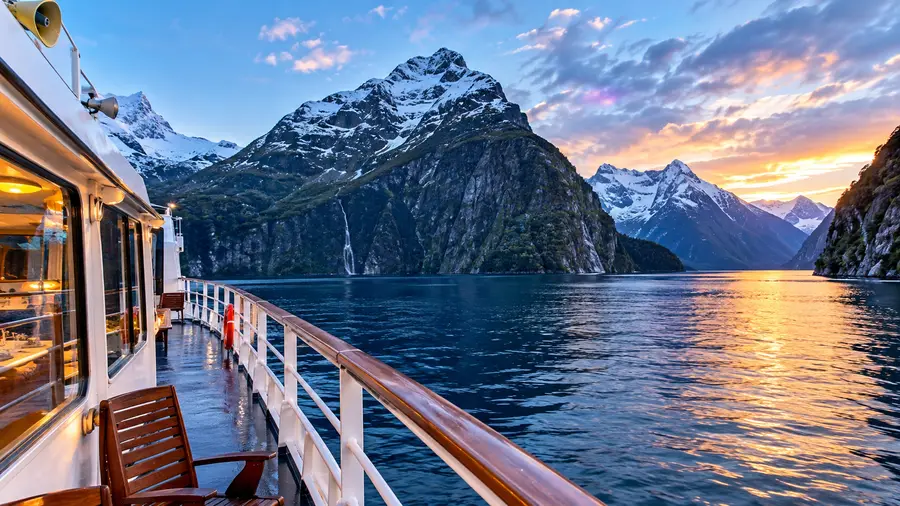
Step onto the boat around 4:00 PM, drop your bags in the cabin, and you immediately feel the hum of the heaters working against the chill. Modern cabins have individual climate controls and heated en-suite bathrooms, while communal saloons feature panoramic windows, hot tea stations, and warm timber finishes. The contrast between the biting air outside and the cozy interior makes sipping a central Otago pinot noir at anchor feel exceptional.
Activities adjust to the climate. While summer cruises send dozens of guests paddling in bright plastic kayaks, winter water temperatures hover around 8 or 9 degrees Celsius. Taking a kayak out is still offered on calm winter afternoons, but you will want wool layers under a spray jacket. If you prefer to stay completely dry, jumping into the small tender boat with the onboard nature guide lets you get close to the seal colonies resting on the rocks without risking a cold splash.
- Thermal base layers: merino wool tops and long johns keep moisture away from your skin when you step outside.
- Windproof outer shell: a heavy waterproof jacket cuts the sub-zero wind that whips down off the snowfields.
- Sturdy, grippy footwear: wet boat decks freeze quickly at dusk, creating slick surfaces near the railings.
- Warm headwear and gloves: windproof beanies and fleece-lined gloves are essential for standing on the bow after dark.
- Indoor lounge footwear: comfortable slip-on shoes or heavy wool socks keep your feet warm inside the carpeted dining salon.
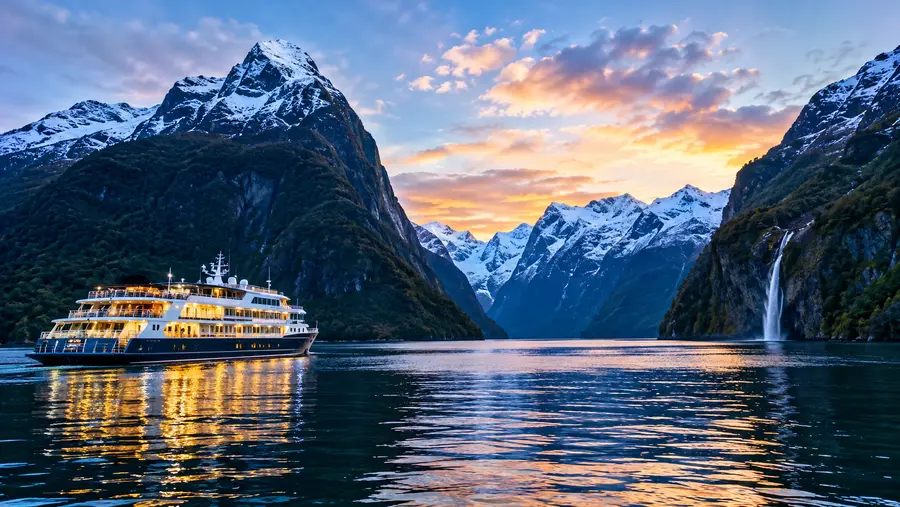
Night falls fast. Once the anchor drops in Harrison Cove or near the shelter of the cliffs, pitch-black darkness swallows the sound. With zero light pollution for fifty miles, stepping onto the top deck reveals an astonishing canopy of stars. On rare occasions between June and September, solar storms align with clear southern skies to treat passengers to the faint neon curtains of the Aurora Australis.
Winter Booking Strategies and Survival Rules
Planning an off-season voyage takes more logistical care than booking a casual summer vacation. You cannot simply wing it, show up at the terminal, and expect an open berth. Many vessels reduce passenger numbers to maintain high crew-to-guest ratios and guarantee salon comfort in poor weather, meaning space remains scarce.
- Check the morning road report: inspect the NZ Transport Agency updates before leaving Te Anau by 8:00 AM.
- Fuel up completely in Te Anau: there are zero commercial gas stations along the 120-kilometer stretch between Te Anau and Milford Sound.
- Secure comprehensive travel insurance: ensure your policy covers weather-related road closures and missed departure connections.
- Pack an emergency road kit: keep drinking water, high-energy snacks, a flashlight, and a heavy blanket inside the car cabin in case of highway delays.
Travelers who prepare for the elements are never disappointed. You get to witness one of the world's most famous natural landscapes in its rawest, most theatrical state. The towering granite looks bigger, the water seems darker, and the complete absence of crowds lets you experience Fiordland as it existed centuries ago.
Frequently Asked Questions about milford sound overnight cruise winter
Can you do an overnight cruise in Milford Sound during June, July, or August?
Yes, but choices are limited. Large mainstream operators often dock their primary overnight vessels for maintenance between mid-May and mid-September. Boutique charter boats and specialized operators still run scheduled departures or private bookings across mid-winter, with full fleets resuming around late September.
How cold does it actually get on the boat overnight?
Cabins are fully heated, modern, and insulated, keeping indoor temperatures around 20°C (68°F). Outside on the observation decks, temperatures hover between -2°C and 8°C (28°F to 46°F), feeling significantly colder when the vessel moves against mountain downdrafts.
What happens if the Milford Road closes due to snow?
If the road closes and you cannot reach the marina, reputable cruise operators will either move your booking to the next available date or provide a full refund. This is why staying in Te Anau rather than Queenstown gives you the best chance of making the transit window if the road opens late in the day.
Quick Reference
- Daytime winter temps: 6°C to 11°C
- Snow chains: mandatory legal carry on SH94
- Sandfly activity: low to non-existent
- Main fleet returns: late September
Book your milford sound overnight cruise experience:
The Bottom Line
Braving the winter freeze in Fiordland rewards you with empty waterways, dramatic snow-dusted peaks, and silent nights that summer visitors will never encounter. If you pack proper alpine layers, respect the mountain road, and give yourself a flexible travel window, sleeping on the water in mid-winter will easily become the highlight of your New Zealand journey.
Read more about milford sound overnight cruise.